


JFE's Steel Plate
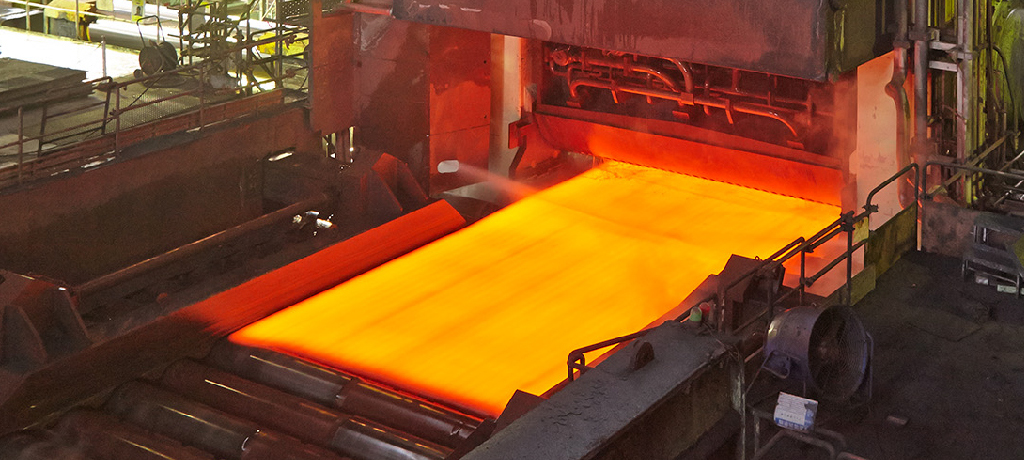
JFE Steel has 3 plate mills in Japan; East Japan Works (Keihin) West Japan Works (Kurashiki), and West Japan
Works (Fukuyama).These three world-leading mills produce a highly diverse range of steel plate products of exceptional quality and the highest international standard. In meeting the needs and demands of customers throughout the world. JFE Steel makes an important economic and social contribution to the development of our world.
JFE Steel has 3 plate mills in Japan; East Japan Works (Keihin) West Japan Works (Kurashiki), and West Japan
Works (Fukuyama).These three world-leading mills produce a highly diverse range of steel plate products of exceptional quality and the highest international standard. In meeting the needs and demands of customers throughout the world. JFE Steel makes an important economic and social contribution to the development of our world.
6Features of JFE Steel Plate
| 1 | 2 | 3 |
| The world's largest class steel plates are available. |
High quality products and a wide range of types are available. |
Advanced manufacturing facilities and high-performance steel plates |
 |
 |
 |
| SIZE | VARIETY | MANUFACTURING |
| Max.thickness………360mm Max.length………27,000mm Max.width………5,350mm Max.mass………70T |
●High-tensile strength steel plates ●Atmospheric corrosion resistant steel plates ●Corrosion resistant steel plates in various corrosive environments ●Steel plates for low-temperature use ●Abrasion-resistant steel plates ●Stainless steel plates and clad steel plates, etc. |
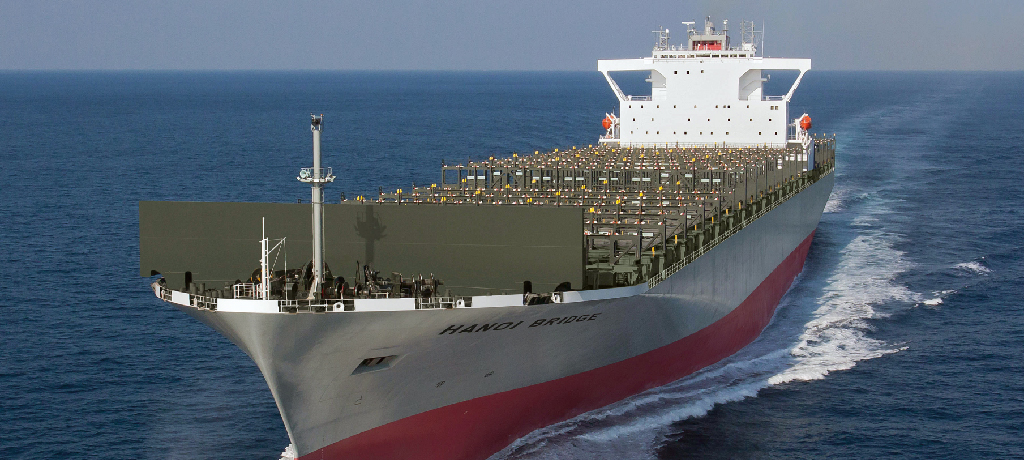
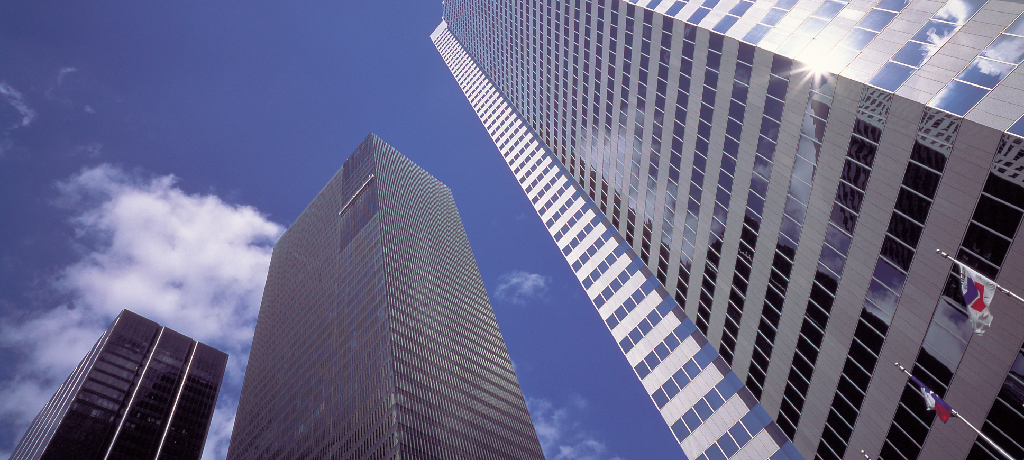
JFE Steel has adopted powerful rolling machines for controlled rolling and highly efficient on-line accelerated cooling facilities for manufacturing proprietary high-performance steel plates. These products are widely applied in various fienlds focusing on ships, bridges and buliding. |
| 4 | 5 | 6 |
| The surface appearance is excellent. |
Excellent dimensional accuracy and uniformity |
Optimum delivery control |
 |
 |
 |
| APPEARANCE | ACCURACY | DELIVERY |
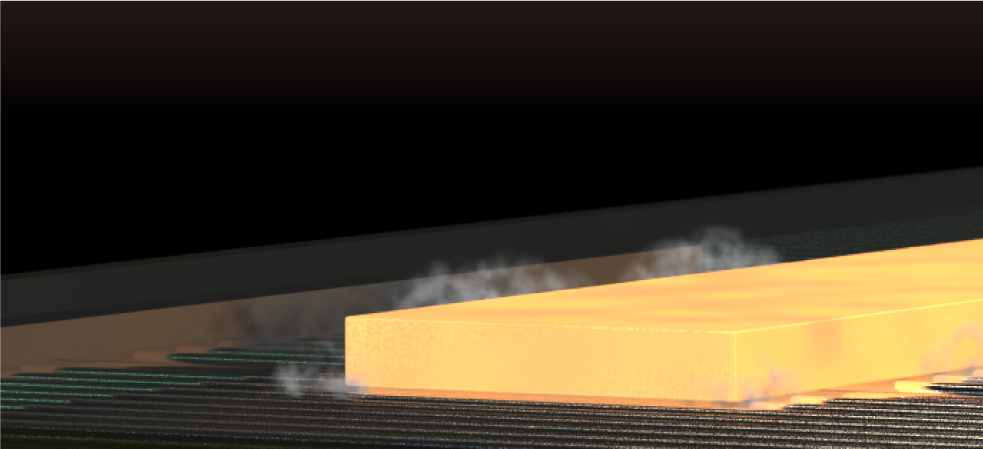
| Slabs are thoroughly cleaned before rolling, and scale is completely removed by high-pressure water jets during rolling. These operations produce rolled plates with clean and attractive surface. Heat treatment is performed in oxygen-free atmosphere where plates free from scale are produced. |
JFE Steel produces steel plates by computer-controlled plate mills providing plates with excellent dimensional accuracy and uniformity. JFE Steel adopts world leading technology to minimize plate crown and variation of thickness along the longitudinal direction, and succeeds in achieving optimum rolled shape. |
JFE employs the first fully extensive computer control systems of steel plate manufacturing in Japan, covering everything from ordering to final shipment.All the order information provided by customers is precisely reflected in the production process, so that we can deliver products that exactly match their requirements with the minimum lead times. |
JFE TECHNICAL REPORT
- 2025.03No.33 Special Issue on “Steel Pipes and Tubes”
- 2021.03No.26 Special Issue on “Data Science” and “Steel Plates”
- 2015.03No.20 Special Issue on "Steel Plates" and "Welding and Joining"
- 2013.04No.18 Special Issue on "Steel Products for Energy Industries" and "Steel Sheets for Automotive and Electric Machinery and Appliance"
- 2009.12No.14 Special Issue on "Super High-Rise Buildings" and "Steel Sheet Construction Materials"
- 2008.06No.11 Special Issue on Steel Plates
- 2005.03No.05 Special Issue on Steel Plates